
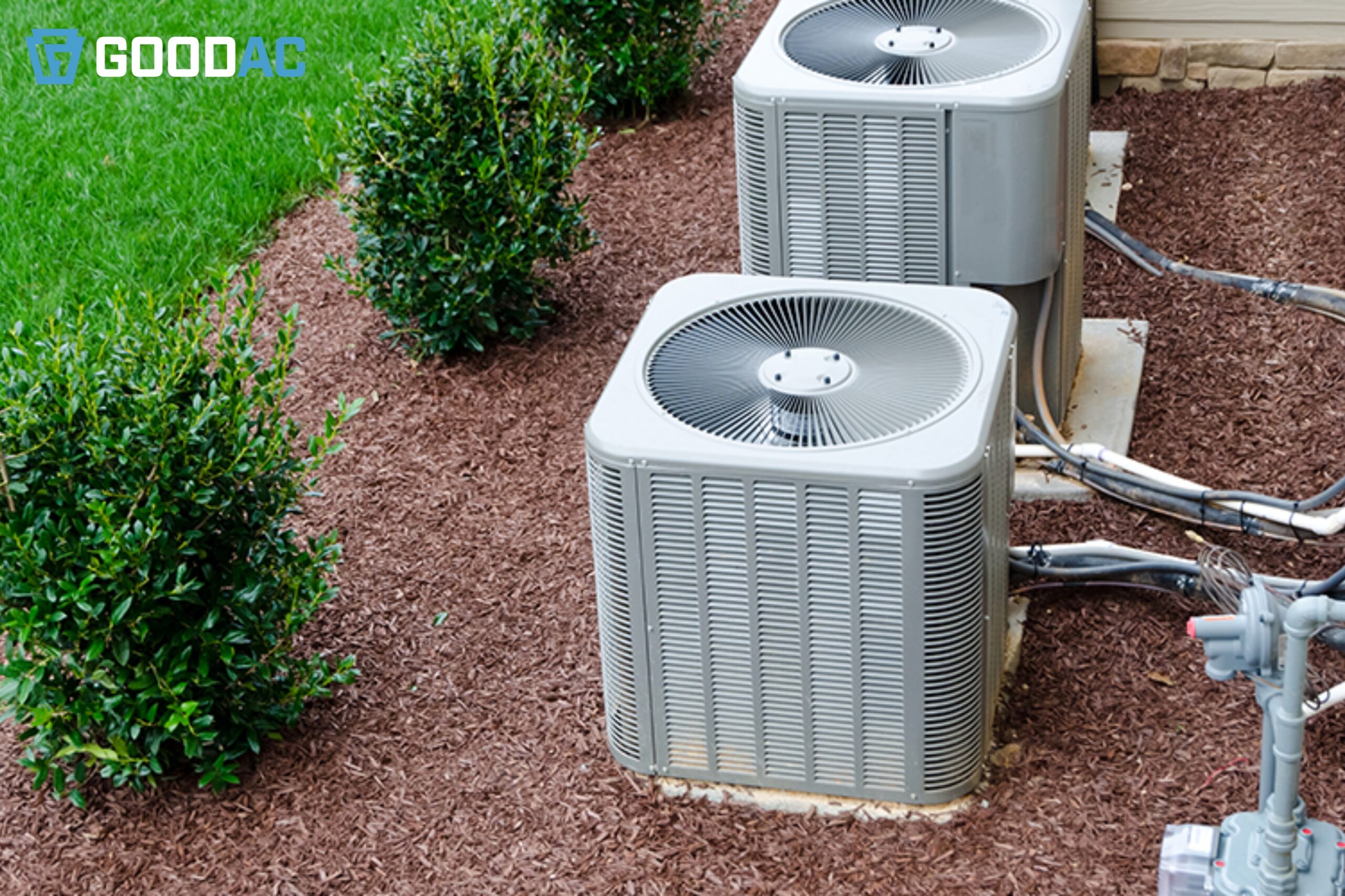
Deciding when it’s time to replace your heating and air conditioning system can be a challenging decision, but it’s essential for maintaining comfort and efficiency in your home. Many homeowners struggle with the thought of upgrading, especially when their current systems seem to still function. However, there are certain signs and factors that indicate it may be time for a replacement.
When to replace heating and air conditioning is not always obvious, but there are clear indicators, such as frequent breakdowns, rising energy bills, or an aging system. Recognizing these red flags early can save you from costly repairs down the road and ensure your home stays comfortable throughout the year.
When to replace heating and air conditioning becomes apparent if your system is constantly breaking down. Frequent repairs not only become frustrating but also costly over time. If you find yourself calling in professionals more than once or twice a year, it’s a strong indication that your system is nearing the end of its lifespan. Older units often require more attention as their components wear down, leading to rising repair costs. These recurring issues are a clear sign that a replacement is more economical than continuing to patch up an aging system. Consider the total cost of repairs over the years, and you may realize that investing in a new system will save you in the long run.
Another common indicator of when to replace heating and air conditioning is a noticeable increase in your energy bills. If your system is working harder to maintain the desired temperature, it’s likely inefficient. Older HVAC systems lose their efficiency as parts deteriorate, making them consume more energy to provide the same level of comfort. Even if your system seems to be functioning normally, a sudden rise in energy costs can signal that it’s no longer operating optimally. In these cases, a more energy-efficient model could help reduce your utility bills while keeping your home comfortable year-round.
The age of your HVAC system plays a significant role in determining when to replace heating and air conditioning. Most heating and air conditioning units have a lifespan of around 10 to 15 years. After this point, their efficiency begins to drop, and the risk of failure increases. Even if your system is still functioning, it may not meet modern energy efficiency standards, leading to higher operating costs. As your HVAC unit ages, it also becomes harder to find replacement parts, making it more expensive to maintain. If your system is nearing or has surpassed the 15-year mark, it may be time to consider a replacement.
If certain rooms in your home are too hot or too cold, it may be a sign that your heating and air conditioning system is struggling to perform. When to replace heating and air conditioning should be considered if you notice that your unit can’t maintain a consistent temperature throughout the house. This issue could stem from an aging system that no longer has the power to distribute air evenly. Uneven heating or cooling is a clear indication that your HVAC system is no longer working efficiently, and replacing it could restore comfort and consistency to your home’s temperature control.
Loud, disruptive noises coming from your HVAC system are never a good sign. If your unit is making strange sounds like grinding, banging, or screeching, it could indicate that internal components are wearing out or breaking. These noises are not only annoying but may signal that your system is under stress, and it could soon fail. If the noises persist after routine maintenance, it may be time to consider when to replace heating and air conditioning. Newer systems are typically quieter, and replacing an old, noisy unit can significantly improve your home’s comfort and peace.
Foul smells coming from your HVAC system can indicate a serious problem that could require replacement. Musty odors might suggest mold growth in the ductwork, while a burning smell could signal electrical issues or a malfunctioning motor. If these odors persist despite cleaning and maintenance, it’s a clear sign that your system may be on its last legs. In such cases, when to replace heating and air conditioning becomes a priority. A new system can eliminate these unpleasant odors and ensure the air in your home is fresh and clean.
Poor indoor air quality is often linked to an aging heating and air conditioning system. If you notice that your home’s air feels stuffy or dusty despite regular cleaning, your HVAC system may not be properly filtering the air anymore. Over time, the filters and ducts in older systems accumulate dirt and debris, which can compromise air quality. This is especially concerning for individuals with allergies or respiratory conditions. If your system can’t properly filter out allergens and pollutants, it may be time to consider when to replace heating and air conditioning. A new unit with advanced filtration options can improve air quality and help you breathe easier.
As your HVAC system ages, finding replacement parts becomes more difficult. Older models may be phased out by manufacturers, and parts may no longer be available or may be priced at a premium. If you’ve been facing challenges in sourcing parts for repairs, this is a clear sign that your system is becoming obsolete. When to replace heating and air conditioning should be a priority if repair costs are skyrocketing because of the scarcity of parts. In this case, replacing your system can help avoid future delays and costly repairs, ensuring your home remains comfortable all year long.
As your family grows or your home’s needs change, your heating and air conditioning system may no longer be sufficient to meet your demands. If you’ve recently remodeled your home, added new rooms, or noticed that your old system is struggling to keep up with the increased demand, it might be time to replace your HVAC system. Systems that were once sufficient may not be capable of maintaining the same level of comfort in a growing home. When to replace heating and air conditioning in this case is determined by the unit’s capacity and your evolving needs, ensuring that your home remains comfortable year-round.
Knowing when to replace heating and air conditioning is crucial for ensuring your home remains comfortable and energy-efficient. If you’re experiencing frequent breakdowns, rising energy bills, or poor air quality, it may be time to consider a new system. Replacing an old HVAC unit can save you money in the long run and provide better performance. If you’re unsure whether your system is ready for replacement, contact the professionals at Good Air Conditioning and Heating Co. in Langhorne, PA. Our team is ready to help you assess your options and provide reliable installation services. Give us a call today at (215) 757-7505 to schedule an inspection and discuss your needs.