
For commercial property managers and real estate investors across Bucks County, maintaining asset value is a constant balancing act. Between managing tenant relationships, handling structural upkeep, and tracking overhead costs, it is easy to relegate mechanical systems to a “set it and forget it” status. Under this mindset, heating, ventilation, and air conditioning (HVAC) systems are often ignored until a sudden breakdown forces a frantic call to a technician.
When an emergency happens in a retail center, office complex, or multi-family property, the immediate instinct is often to look for the fastest, least expensive fix to get the air moving again. While this temporary patch resolves the immediate tenant complaint, it locks the asset into a costly, inefficient cycle known as the quick-fix loop.
Short-term patches might keep a commercial property operational for a few days or weeks, but they mask deep, underlying structural inefficiencies. Over time, this reactive maintenance strategy accelerates equipment degradation, inflates monthly utility expenditures, and ultimately compromises the net operating income (NOI) of the entire real estate asset. Breaking out of this cycle requires a shift from emergency band-aids to a program of comprehensive, thorough mechanical inspections.
The quick-fix loop is an operational pattern that quietly drains the capital reserves of a commercial property. It typically begins when an aging or unmaintained commercial HVAC unit suffers a minor component failure, such as a worn fan belt, a leaking valve, or a failed capacitor. To minimize immediate repair expenses, the property manager opts for a localized patch that addresses only the broken part, ignoring the system-wide conditions that caused the failure in the first place.
Because the root cause of the strain remains unaddressed—whether it is restricted airflow from an unsealed plenum, imbalanced refrigerant lines, or corrupted electrical connections—the equipment continues to work twice as hard as it should. Within months, this sustained stress triggers a secondary breakdown, often in a more expensive component like the compressor or the blower motor.
By constantly paying for emergency dispatch fees, quick-turnaround labor rates, and piecemeal parts replacement, property managers end up spending significantly more over a two-year period than they would have on a single, thorough baseline restoration. Furthermore, this cycle leaves tenants frustrated by unpredictable indoor climates, driving down tenant retention rates and eroding the professional reputation of the commercial facility.
In the realm of commercial real estate, asset value is intrinsically tied to financial performance. Properties are valued based on their Net Operating Income (NOI) divided by current market capitalization rates. Because HVAC operation represents one of the largest single utility and capital expenditures for a commercial building, the efficiency of your heating and cooling systems directly impacts your property’s ultimate market valuation.
When an HVAC system undergoes comprehensive, deep-dive inspections, technicians check for hidden structural drains like hidden duct leaks, failing insulation, and improperly sized equipment. Addressing these hidden issues yields immediate financial rewards:
A true commercial HVAC inspection looks far past basic visual checks or simple filter swaps. Commercial systems are complex, interconnected fluid-and-air networks that require precise calibration to function safely. A comprehensive system analysis targets hidden inefficiencies that are completely invisible to the untrained eye.
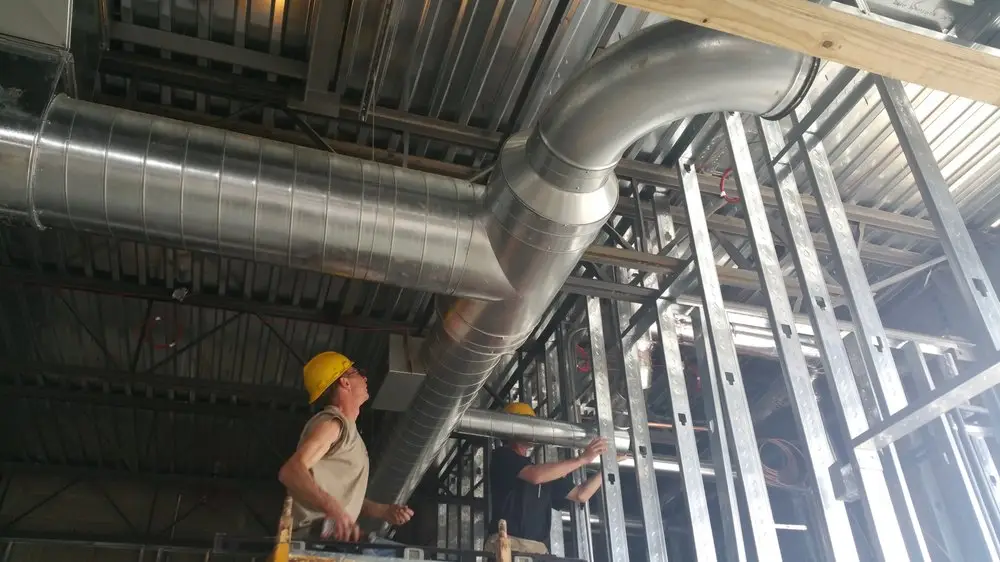
One of the most profound energy drains in commercial buildings is severe duct leakage or unsealed plenum spaces. If the sheet metal or duct board connections leading out of a rooftop unit are unsealed or degraded, a massive percentage of your conditioned, expensive air escapes directly into the dead space above drop ceilings rather than reaching the actual offices or retail floors. This means your equipment must run continuously to satisfy the thermostats below.
During a professional diagnostic evaluation, technicians utilize advanced testing tools to measure static pressure across the entire duct system, locating hidden drops in airflow that indicate blockages or deep structural tears. They also analyze the combustion efficiency of gas-fired heat exchangers and map the amperage draw of heavy-duty three-phase motors. Catching an elevated amp draw early allows a property manager to rebuild a motor bearing or replace a failing contractor before it triggers a complete system lockout during a severe summer heatwave or winter freeze.
Beyond the immediate mechanical components and utility metrics, thorough HVAC stewardship plays a defining role in risk management and tenant relationships. Modern commercial tenants are highly attuned to indoor air quality, ventilation standards, and climate consistency. An unmaintained system that cycles constantly creates an environment with uneven temperatures, high humidity, and poor filtration.
If a retail or corporate tenant experiences frequent climate “meltdowns” or notices persistent indoor air quality issues, their operational productivity plummets. This creates a friction-filled relationship with property management, ultimately resulting in vacancies, broken leases, and extended turnover periods that damage cash flow.
Furthermore, thorough commercial inspections ensure your facility remains in compliance with localized environmental and building safety regulations. Verifying the proper operation of fresh air dampers, economizers, and exhaust networks guarantees your building maintains an appropriate rate of fresh air exchange. This mitigates the risk of legal liabilities or building code violations, safeguarding your corporate enterprise from costly regulatory setbacks.
Breaking out of the short-term repair loop requires a deliberate commitment to preventative asset management. Rather than viewing HVAC maintenance as an unavoidable operational expense, successful real estate investors view it as a direct strategy for capital preservation.
Establishing a routine schedule of thorough, multi-point mechanical inspections allows your facility team to shift from a reactive firefighting posture to a proactive, predictive maintenance framework. This proactive stance keeps your operational budget predictable, extends the operational life of your existing machinery by years, and ensures your building maintains an optimal interior environment that attracts premium commercial tenants.
Protecting your building’s infrastructure requires local expertise, deep diagnostic training, and a dedication to superior quality.
Ready to maximize your commercial asset’s value and secure long-term operational efficiency? Contact the dedicated commercial comfort team at Good Air Conditioning and Heating Co. today at (215) 757-7505 to schedule a comprehensive facility inspection and performance audit!